https://www.abeneth.com/the-ultimate-home-organization-guide-master-storage-solutions-for-every-space/
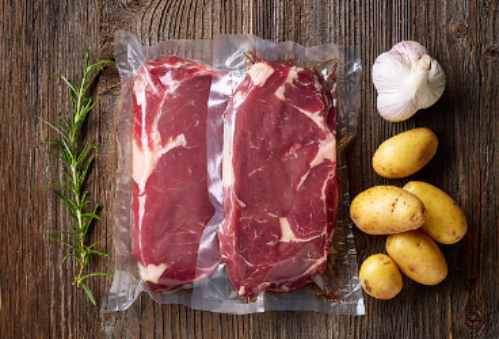
In the field of food preservation, the emergence of vacuum sealing technology has completely changed the way we store perishable ingredients. Food protectant vacuum sealed bags have become an essential tool in modern kitchens due to their efficient preservation ability and convenient operation. Whether you are trying it for the first time or want to optimize existing methods, this comprehensive guide will take you through the techniques of using vacuum bags, making food fresher and kitchen storage more efficient.
1、 Understanding food protectants vacuum bags: the science behind preservation
Food protectant vacuum bag is a plastic bag specially designed for vacuum sealing machines. By cooperating with the vacuum sealing system, it can extract the air inside the bag and form a seal. The core of this process lies in:
Isolation of oxygen: Oxidation is one of the main causes of food spoilage, and a vacuum environment can slow down the oxidation reaction and prolong the freshness of ingredients.
Inhibition of microbial growth: Fungi and bacteria have difficulty reproducing in hypoxic environments, effectively preventing food spoilage.
Preventing moisture loss: The sealed design can lock in moisture in ingredients, avoiding “refrigerator burns” (dry and discolored food surfaces) during freezing.
2、 7 steps to master the skills of using vacuum bags
1. Pre processed ingredients
Ensure that the ingredients are clean and dry. Vegetables can be dried with kitchen paper first, and meat should be wiped dry of surface blood.
Liquid or damp food (such as soup, sauce) is recommended to be frozen to a semi-solid state first to avoid liquid being sucked into the machine during vacuum pumping.
2. Cut to the appropriate size
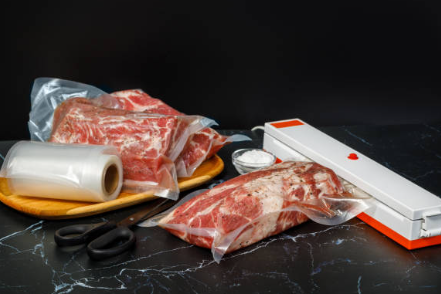
Vacuum bags are usually roll shaped and can be cut with built-in cutters according to the size of the ingredients. Reserve a sealing edge of 3-5 centimeters to ensure a secure seal.
3. Seal one end
Place one end of the bag into the vacuum sealing machine and activate the sealing function according to the machine instructions. This step is to form a closed end before filling the ingredients to prevent air from entering during subsequent operations.
4. Filling ingredients
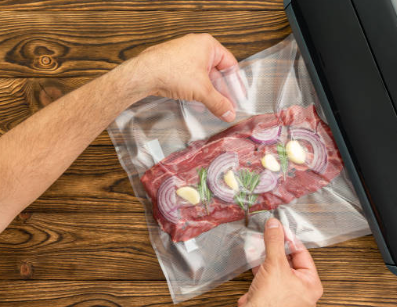
Put the ingredients neatly into the bag, avoiding overlapping or overfilling. Block shaped ingredients (such as chicken breast) can be arranged flat, while powdered or granular ingredients are recommended to be packed in small containers before being placed in bags.
5. Vacuum sealing
Place the open end of the bag into the machine, close the lid, and start the vacuum sealing program. The machine will automatically extract air and seal it. During the process, it is necessary to keep the bag flat to avoid wrinkles affecting the sealing effect.
6. Check the integrity of the seal
After the sealing is completed, carefully check whether the sealing is tight. Gently press the sealing edge with your fingers to confirm that there is no air leakage or damage. If any problems are found, the bag can be re cut and resealed.
7. Marking and Storage
Use a marker pen to label the name and sealing date of the ingredients on the bag for easy tracking of shelf life. According to the type of ingredients, place the vacuum bag in the refrigerator for refrigeration or freezing.
3、 5 practical advantages of vacuum bags
Extend the shelf life of ingredients
Vacuum sealing can extend the shelf life of fresh meat by 2-3 times, significantly increase the preservation time of vegetables and fruits, and reduce food waste.
Prevent refrigerator burns
A vacuum environment can lock in the moisture of ingredients, avoiding surface drying and poor taste during freezing, especially suitable for ingredients that are frozen for a long time.
Save storage space
After being evacuated, the volume of the vacuum bag is significantly reduced, saving more space in the refrigerator or freezer than traditional containers, making it easier to classify and store.
reduce costs
While reducing food waste, it is also possible to purchase ingredients in bulk and store them for a long time, saving expenses from the source.
Flexible response to multiple scenarios
Whether it’s daily leftovers, picnic lunch boxes, or outdoor camping ingredients, vacuum bags can provide reliable preservation protection.
4、 Advanced skills and precautions
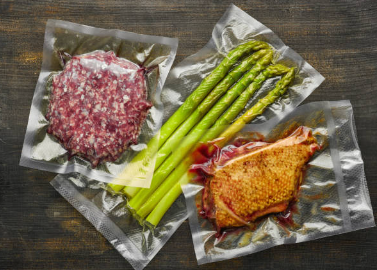
Liquid processing: Liquid ingredients need to be frozen to solidify some of the moisture, or use specialized liquid vacuum bags to prevent leakage.
Split packaging: Divide the ingredients into smaller portions according to the amount of each serving to avoid repeated thawing that may affect the quality.
Sealing machine maintenance: Regularly clean the sealing gasket and pipeline of the sealing machine to ensure their normal operation.
Special ingredient handling: Soft food (such as bread) can be placed in a small container and then sealed to avoid being compressed and deformed during pumping.
https://www.abeneth.com/the-ultimate-home-organization-guide-master-storage-solutions-for-every-space/