
https://www.abeneth.com/a-mindful-home-the-ultimate-guide-to-decluttering-storage-and-design/
In modern homes, storage is no longer just about “putting things away,” but a key factor influencing spatial order, comfort, and visual aesthetics. A tidy and organized home not only brings joy but also improves daily efficiency. However, many people, while focusing on storage methods, overlook the decisive impact of furniture materials on the storage experience and the overall feel of the space.
For example, when choosing storage cabinets, bookshelves, or wardrobes, different materials not only determine the durability and load-bearing capacity of the furniture, but also directly affect the visual effect and user experience of the space. Therefore, understanding how to choose furniture materials is particularly important, as it can help you maintain tidiness while also ensuring the quality and aesthetics of your home.
The relationship between furniture materials and home environment
Furniture materials not only determine its appearance but are also a core element influencing the tidiness and aesthetic quality of a home. Choosing the right materials can significantly improve storage efficiency, reduce maintenance costs, and create a harmonious visual experience. In other words, from storage to texture, the material of each piece of furniture is a crucial factor in enhancing the overall feel of a space.
Rethinking “Storage”: More Than Just Organizing, It’s the Core of Space Design
Modern storage concepts emphasize both functionality and aesthetics. Storage is not just about hiding clutter; it’s about rationally planning so that every item has a designated place, making the space appear neat and organized. Especially in small apartments or multi-functional spaces, efficient storage allows the room to “breathe,” reducing the feeling of confinement.
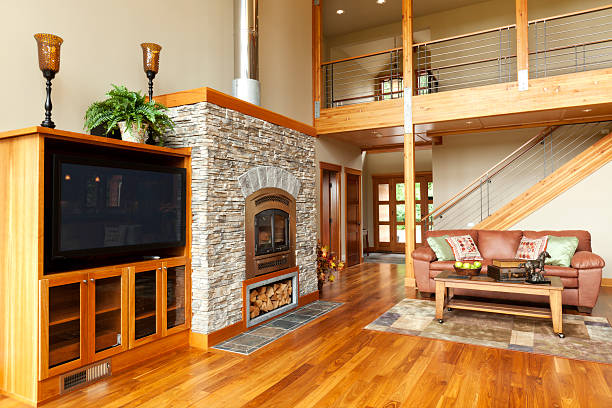
Here, the choice of furniture materials directly impacts the storage experience. For example, thin glass doors make the space appear more open, while solid wood cabinets add a warm and textured feel. This combination of materials and storage functionality is key to creating a comfortable and tidy home.
Common Material Properties and Misconceptions
Main material categories and their properties
wood
: Natural texture, but requires regular maintenance.
Engineered wood: High cost-performance ratio, but moisture resistance varies considerably.
Metallic materials
: Stainless steel: durable and easy to clean, but feels cold to the touch.
Cast iron: classic aesthetic, but heavier.
Glass vs. Stone
: Glass: Transparent and lightweight, but prone to fingerprints.
Natural Stone: Luxurious feel, but more expensive.
Plastics and Composites:
Plastics: Lightweight and inexpensive, but with limited material properties.
Composites: Balance performance and cost.
Common Selection Mistakes
The misconception that “the more expensive, the better”: Expensive materials are not necessarily suitable for all spaces.
The misconception that “consistency is key”: A moderate mix of different materials can actually add depth and dimension.
The misconception that “ignoring practicality”: Aesthetics should be balanced with cleaning and maintenance costs.
Scientific basis and design principles
Research shows that material choice has a significant impact on spatial perception. A Cornell University study found that smooth, reflective materials enhance the brightness of a space, while rough-textured materials create a sense of warmth. The American Society of Interior Designers guidelines indicate that material texture affects visual neatness; regular textures appear more orderly than random textures.
Evidence-based design principles
Cleanliness-friendly principle: Choose stain-resistant and easy-to-clean materials for high-frequency contact areas.
Visual continuity principle: Use the same or similar material series for related functional areas.
Texture balance principle: Include 2-3 different textured materials in each space to create a sense of layering.
Different furniture materials determine different storage experiences.
Solid wood furniture – a warm and durable cornerstone of storage.
Known for its sturdiness, durability, and strong load-bearing capacity, solid wood furniture is the top choice for long-term storage and large furniture. Its natural grain and warm colors create a space that is both neat and comfortable.
Panel furniture – a savior for small spaces with flexible combinations.
Panel furniture is usually made of particleboard, MDF or eco-board. Its lightweight and modular design is suitable for small apartments or renters, and the layout can be adjusted at any time according to needs.
Metal and glass materials – modern style lightweight storage
furniture with metal frames and glass doors is visually light, the metal is sturdy and durable, and the glass makes the interior display clear at a glance, suitable for modern minimalist or industrial style spaces.
How to select materials based on needs
Step 1: Assess the usage scenario,
considering the space’s function, frequency of use, and the people it comes into contact with. Durable and easy-to-clean materials are suitable for children’s rooms, while aesthetics can be emphasized in the living room.
Step Two: Determine Cleaning and Maintenance Expectations
. Low maintenance: Glass, metal, high-density plastics.
Medium maintenance: Painted wood, composite materials.
High maintenance: Solid wood, natural stone, specialty fabrics.
Step 3: Balance budget and quality.
Invest in high-quality materials for key areas, and choose cost-effective options for secondary areas.
Step 4: Consider long-term durability
. Kitchen countertops: Quartz > Granite > Artificial stone.
Flooring materials: Solid wood > Composite flooring > Laminate flooring.
Matching materials and styles: making storage an integral part of aesthetics
Wood + Rattan: A natural and warm style, suitable for bedroom or living room storage.
Metal + Leather: Industrial-style storage cabinets with a strong modern feel.
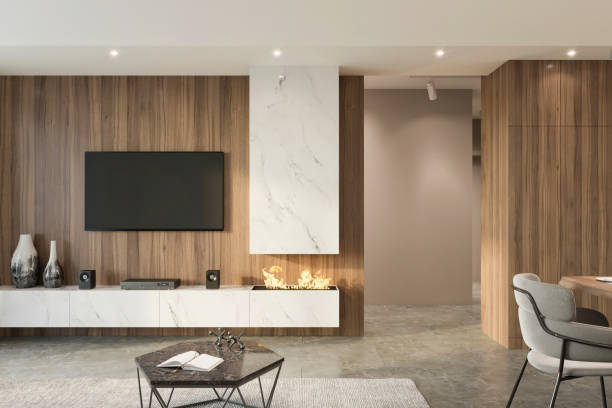
Glass + Light-colored Panels: Minimalist modern style, visually expanding space.
A well-coordinated combination of materials and storage layout not only improves storage efficiency but also adds depth and texture to the space.
Conclusions and Practical Recommendations
Choosing the right furniture materials is an art of balancing cleanliness and aesthetic quality. Based on research and practice, we recommend:
Based on functional requirements, practicality and ease of cleaning and maintenance should be given priority.
Invest in materials that enhance the texture of key visual areas.
A rich sense of spatial layering is created by mixing and matching materials.
Good storage starts with understanding materials, making every corner both practical and aesthetically pleasing.
Frequently Asked Questions
Q: What furniture materials are best suited for small apartments?
A: We recommend glass, light-colored wood, and metal, as they can enhance the sense of spaciousness and avoid visual clutter.
Q: What materials should pet-owning families avoid?
A: It is recommended to avoid easily damaged materials such as genuine leather and silk, and choose wear-resistant synthetic materials, microfiber, or certain types of solid wood.
Q: How can I improve the feel of my furniture without replacing it?
A: You can do this by adding storage boxes made of the same material, using high-quality tablecloths or blankets, and keeping the surfaces of the materials clean.
Q: What material properties should be prioritized for different rooms?
A: For kitchens and bathrooms, prioritize moisture resistance and ease of cleaning; for bedrooms, focus on tactile comfort; and for living rooms, balance aesthetics and durability.
https://www.abeneth.com/a-mindful-home-the-ultimate-guide-to-decluttering-storage-and-design/